
Central Air vs. Heat Pump: Which Fits a Four Season Home?
QUICK ANSWER: A central air conditioner only cools, so it is paired with a furnace or another heat source for winter. A heat pump is a single outdoor unit that cools in summer and reverses to heat in winter by moving heat from the outdoor air into your home. Both use the same basic refrigeration cycle, and both can serve a home well through four distinct seasons. The right choice depends on how cold your winters get, what heating equipment you already have, how well the house holds heat, and whether you want one system or two. Modern cold climate heat pumps handle freezing weather better than older models did, while a furnace paired with central air still has the edge when temperatures stay low for days. Many homes do best with a hybrid setup that uses both.
It is a gray January morning, and the thermostat says sixty eight while the wind pushes against the north wall. Somewhere in the same house, a homeowner is holding a brochure for a heat pump and wondering if it can really keep up when the frost sits on the windshield. Six months later that same person will be standing in a sticky kitchen in July, wondering whether the old central air unit outside has one more summer in it.
We hear both versions of that question all year long. The decision looks simple on paper, since both systems cool the house. The difference shows up in winter, and in a place with real cold, humid summers, and shoulder seasons that swing thirty degrees in a day, the choice deserves more than a quick glance at a sales sheet. After more than two decades of working on homes and commercial kitchens across the Kanawha Valley and along the Ohio River, we have seen both setups do their job well, and we have seen each one put in the wrong place. Here is how to sort out which fits your house.
How Central Air and a Heat Pump Actually Differ
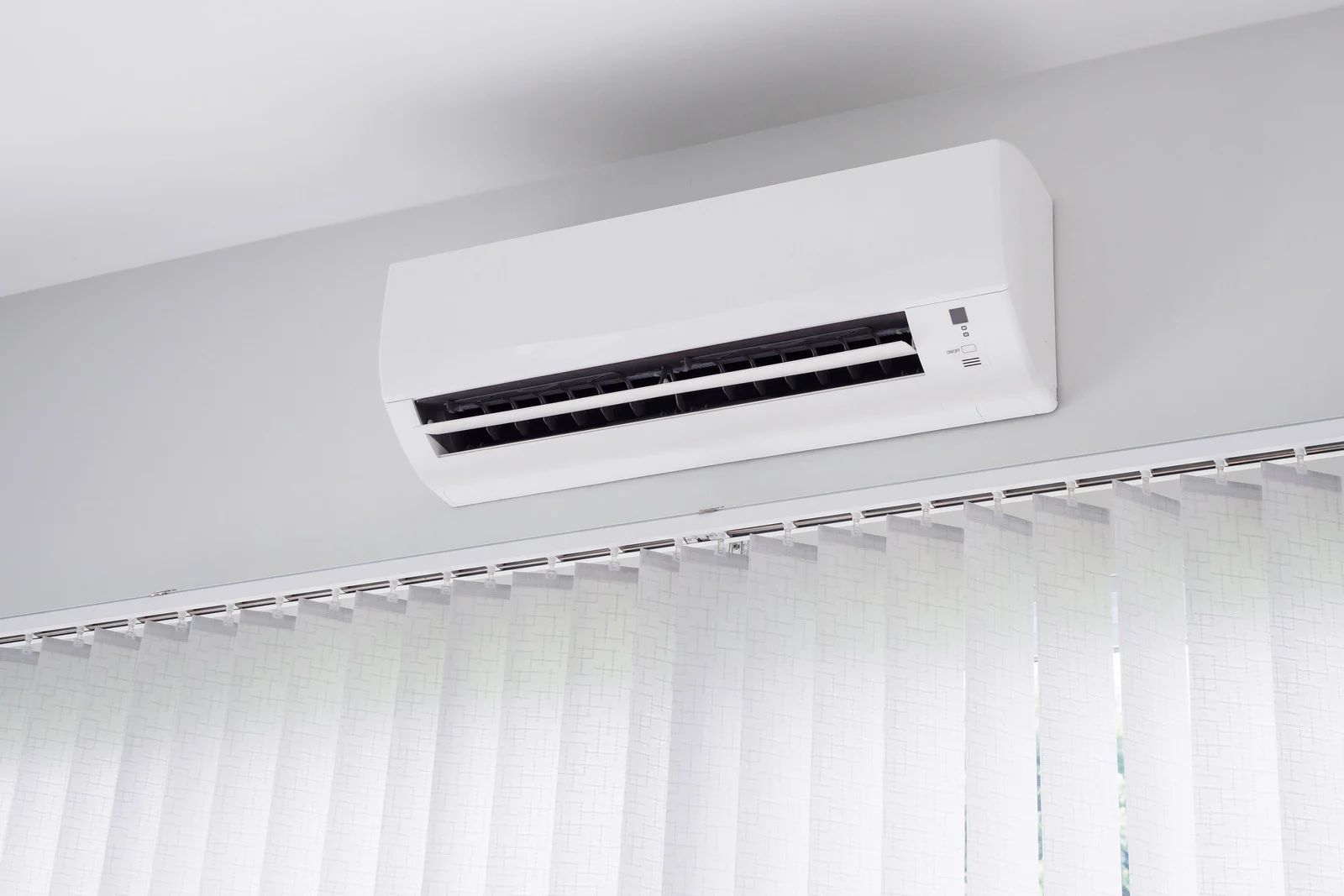
The two systems share more than most people expect. Each has an outdoor unit with a compressor and a coil, an indoor coil, a blower, and refrigerant lines connecting the two. Each pulls heat out of the indoor air and pushes it outside in summer. The difference is what happens when the weather turns cold.
Central Air Conditioning
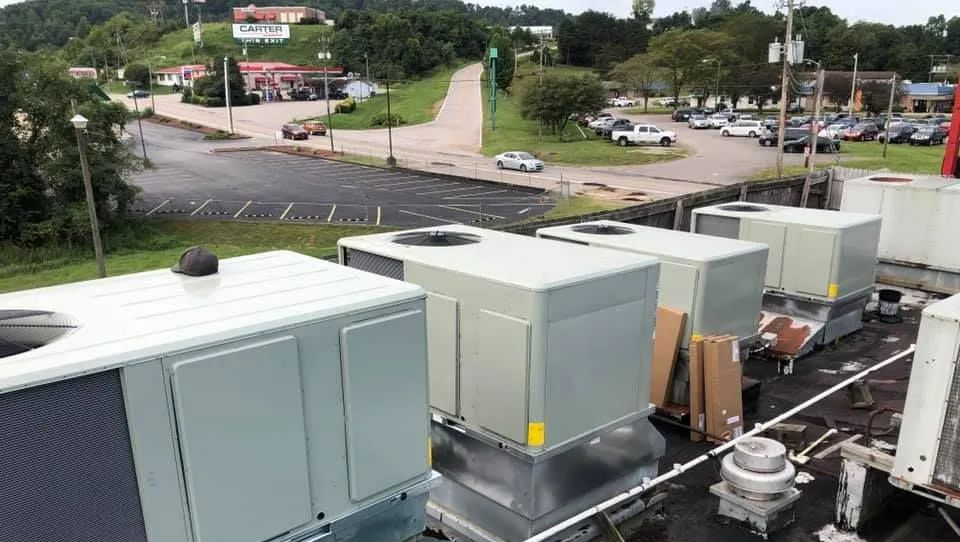
A central air conditioner does one job, which is cooling. In winter it sits idle, and a separate system, usually a gas or propane furnace, an oil furnace, or electric resistance heat, takes over. The two pieces share the same ductwork and blower, but they are separate machines with separate lifespans and separate maintenance needs. This is the classic setup in most older homes across the valley.
A Heat Pump
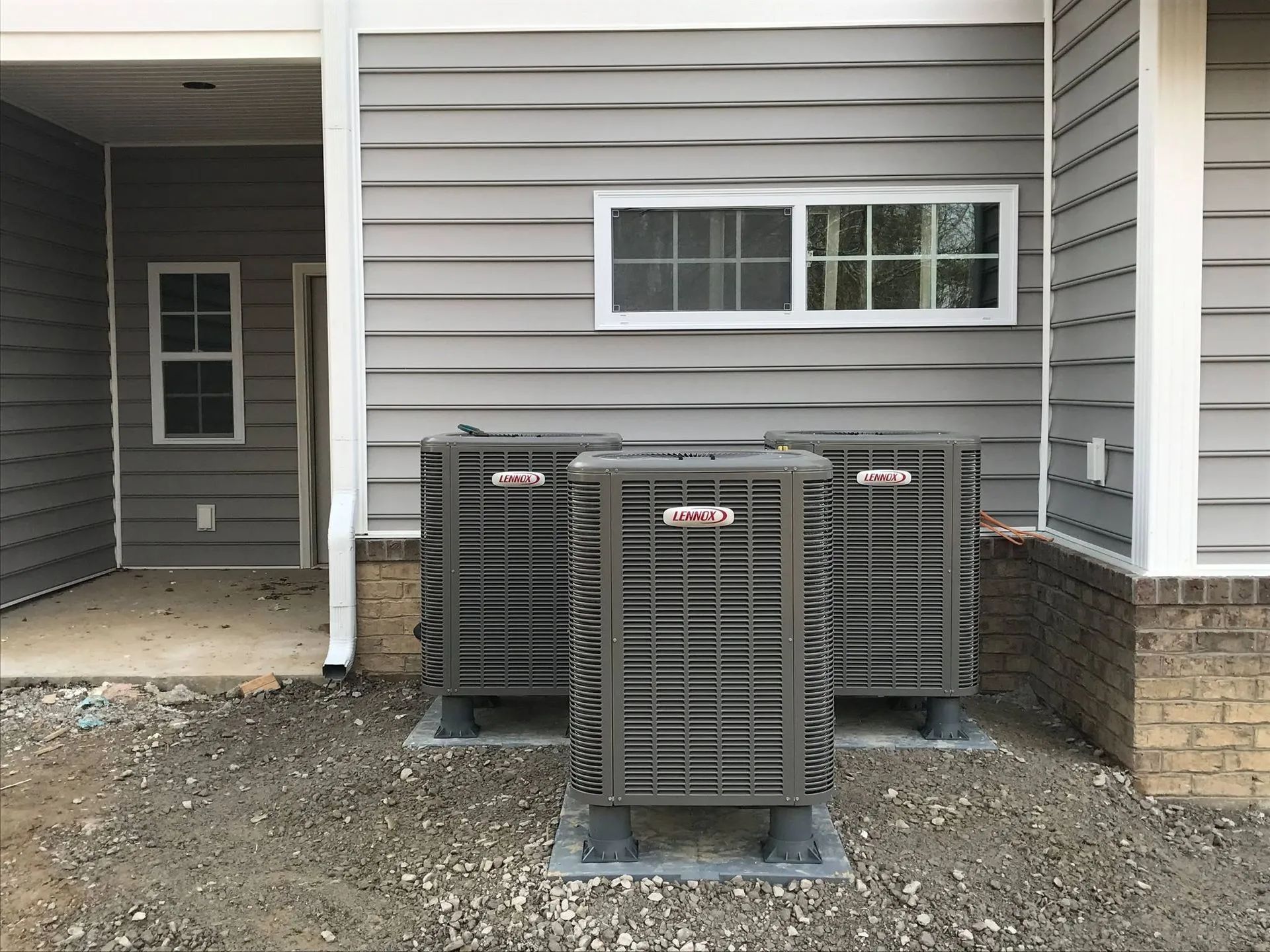
A heat pump is built around a reversing valve. In summer it behaves just like an air conditioner. In winter the valve flips the direction of the refrigerant, so the outdoor coil absorbs heat from the outside air and the indoor coil releases it into your rooms. It sounds odd to pull heat out of cold air, but there is still heat energy in air well below freezing. The system simply moves it, rather than creating it by burning fuel or heating an element. One outdoor unit and one indoor coil handle both seasons.
That reversing valve is the main mechanical difference. It also explains why a heat pump has a few behaviors that surprise new owners, like the outdoor unit steaming on a cold morning, which we will get to shortly.
What Each System Does Well in a Four Season Climate
Our region does not give any system an easy year. Winters bring long cold stretches with the occasional deep freeze, summers bring heat and heavy humidity, and spring and fall are often mild enough that you barely need either system. Each option handles that pattern a little differently.
Where A Heat Pump Earns Its Place
During mild seasons and moderate winters, heat pumps provide efficient heating by moving heat rather than generating it. They can deliver steady output in temperatures around the thirties and forties while replacing separate heating and cooling systems.
Where Central Air With A Furnace Earns Its Place
A furnace maintains its heating output as outdoor temperatures fall, making steady performance useful during severe cold. Homes with drafts, limited insulation, or extensive windows may benefit from that output and warmer supply air.
Where The Cooling Side Lands
Cooling performance is similar between central air conditioners and heat pumps because both use comparable components and remove humidity through a cold coil. Proper sizing and installation matter more than system type during humid summer weather.
The Cold Weather Question
This is the part that worries people most, and it is worth being plain about. Every heat pump loses some heating output as the outdoor temperature drops, because there is less heat in the air to absorb. Older heat pumps lost ground quickly once the temperature fell near freezing, and that is where the reputation for cold houses came from. Newer designs, especially cold climate models with variable speed compressors, hold their output much further down the thermometer than the equipment from a couple of decades ago.
Even so, there is a point on a very cold day when the heat pump alone cannot keep up with what the house is losing. Most systems handle that with a backup heat source. Auxiliary heat is usually a set of electric resistance elements built into the air handler. They switch on when the outdoor temperature falls too low or when the house is falling behind the thermostat setting. Emergency heat is a thermostat setting that runs only the backup elements and bypasses the heat pump entirely, and it is meant for a situation where the outdoor unit has a problem. Many homeowners leave it switched on by mistake and never realize the system is running the backup elements instead of the heat pump.
The defrost cycle. When a heat pump heats in cold, damp weather, frost builds up on the outdoor coil. The system periodically runs a defrost cycle to melt it, briefly switching into cooling mode while the outdoor fan pauses. You may see steam rising from the unit and hear the system change pitch. That is normal. What is not normal is an outdoor unit that stays encased in ice for hours, and that deserves a look from a technician.
TIP: If your heat pump sits close to the ground, keep the area around the outdoor unit clear of leaves, snow drifts, and piled debris all winter. Good airflow and drainage around the coil helps the defrost cycle do its job, and it takes only a minute to check after a storm.
The Middle Path: A Hybrid or Dual Fuel System
For a lot of homes here, the best answer is not one or the other. A dual fuel system pairs a heat pump with a gas furnace. The heat pump handles heating through the mild and moderate weather, and the furnace takes over when the outdoor temperature falls below a set point. The thermostat or control board decides which one runs based on the outdoor conditions.
The idea is simple. Each machine works during the part of the year where it does best. You get the gentle, even heat of the heat pump through most of fall, spring, and early winter, and you keep the steady punch of a furnace for the coldest nights of January and February. It also gives you a built in fallback, since a problem with one system does not leave the house without any way to heat or cool.
Dual fuel does mean two pieces of heating equipment, and it works best in a home that already has gas service or where adding it makes sense. It also needs proper controls setup so the two systems do not fight each other. When it is set up well, homeowners often tell us it is the first time the house has felt right in every season.
Sizing and Installation Matter More Than the Label
Whichever way you lean, the equipment is only as good as the installation. A properly sized system runs in long, steady cycles, removes humidity in summer, and holds temperature in winter. An oversized one short cycles, leaves the house clammy, and wears out early. An undersized heat pump struggles in the cold and leans on its backup elements far more than it should.
Sizing starts with a real load calculation on the actual house, meaning square footage, insulation, window area, orientation, and duct layout. It should not come from a rule of thumb or from copying whatever was in the house before. We have walked into plenty of homes where the old system was the wrong size from day one, and simply replacing it with an identical unit repeated the mistake.
Refrigerant charge and airflow have to be set correctly at startup too. Both are things a trained technician measures with gauges rather than guesses at. A heat pump is more sensitive to a bad charge than many people realize, since it works in both directions all year long.
WARNING: Never try to add refrigerant, adjust the reversing valve, or open up the outdoor unit yourself. Refrigerant work needs certified technicians and proper tools, and a heat pump that seems to be heating poorly may have a simple airflow or thermostat issue that a quick visit can sort out safely.
Keeping Either System Running Well
A heat pump works hard all year, so it needs attention in both seasons. A central air conditioner paired with a furnace splits the workload, with each machine resting for half the year. Neither one gets a pass on maintenance.
For a heat pump, a spring and fall check is a good rhythm. That means cleaning the coils, checking the reversing valve operation, testing the defrost controls, inspecting the electrical connections, confirming the refrigerant pressures, and clearing the condensate drain. For central air and a furnace, a cooling check in spring and a heating check in fall covers the same ground for each machine. Filters need regular attention for both, generally every one to three months depending on the household, pets, and the season.
Our background in commercial refrigeration gives us a practical view on this. A restaurant walk in cooler cannot afford a bad season, and the compressors, coils, and defrost controls that keep it running are close cousins to what sits outside a home. That habit of checking the small things before they turn into big ones carries straight into residential work.
Frequently Asked Questions
Can a heat pump really heat a home through a West Virginia winter?
In many homes, yes. Modern cold climate models deliver useful heat well below freezing, with backup heat covering the coldest stretches. Older or leaky houses may rely on that backup far more often in January.
Is a heat pump the same thing as an air conditioner?
They look nearly identical outside and share the same basic parts. The difference is the reversing valve, which lets a heat pump run in reverse to heat your home. An air conditioner can only cool.
Why is steam coming off my outdoor unit in winter?
That is usually the defrost cycle melting frost off the outdoor coil, and it is normal for a few minutes at a time. A unit that stays iced over or defrosts constantly should be checked.
What is the difference between auxiliary heat and emergency heat?
Auxiliary heat is the backup that turns on automatically when the heat pump needs help. Emergency heat is a manual setting that runs only the backup elements, meant for outdoor unit problems, not everyday use.
Can I keep my furnace and add a heat pump?
Often, yes. Pairing a heat pump with an existing gas furnace creates a dual fuel system that shares the same ductwork. The equipment and controls must be properly matched, so plan it with a technician.
Which one lasts longer, central air or a heat pump?
A heat pump works in both seasons, so it logs more running hours than central air, which rests all winter. With regular maintenance and proper sizing and installation, both can serve a home for many years.
Finding the Right Fit for January and July
The best system for your home is the one that matches how the house is built, what fuel is available, and how you want it to feel through January and July alike. A heat pump, central air with a furnace, and a dual fuel pairing can each be the right answer in the right house. What matters most in every case is an honest look at insulation, ductwork, sizing, and typical winter temperatures before any equipment arrives at the door.
At AirTech Heating & Cooling, serving Dunbar and Apple Grove, West Virginia, we bring 25
years of
heating, cooling, and commercial refrigeration experience to homes across the Kanawha Valley and along the Ohio River. That time has shown us how much a correctly sized, carefully installed system changes comfort at home. When the equipment suits the house, winter mornings stay warm, summer afternoons stay dry and cool, shoulder seasons pass quietly, and the thermostat becomes something you rarely think about.