
How HVAC Systems Work: A Complete Beginner’s Guide to Home Comfort
Modern homes rely heavily on indoor comfort systems, yet many homeowners have only a limited understanding of how these systems actually function. Heating, Ventilation, and Air Conditioning (HVAC) systems are designed to regulate temperature, maintain air quality, and create a consistent indoor environment regardless of outdoor conditions. Whether it is keeping a home warm during winter or cool during summer, HVAC systems play a central role in everyday living, influencing comfort, health, and energy efficiency. They also contribute to protecting indoor furnishings and structural elements by controlling humidity levels. As climate conditions become more unpredictable, the importance of reliable HVAC performance continues to grow.
Understanding how HVAC systems work is essential for making informed decisions about installation, maintenance, and energy usage. With rising energy costs and increasing awareness of indoor air quality, homeowners are seeking reliable, efficient solutions that deliver long-term value. This guide breaks down the fundamentals of HVAC systems in a clear and structured way, helping beginners grasp the core components, processes, and best practices. By building a foundational understanding, homeowners can better manage system performance, extend equipment lifespan, and ensure optimal comfort throughout the year while avoiding unnecessary costs and operational issues. In addition, this knowledge helps identify potential issues early and supports smarter upgrades when needed. Ultimately, a well-informed approach leads to improved efficiency, lower expenses, and a more comfortable living environment.
1. Understanding the Basics of HVAC Systems
What Does HVAC Stand For?
HVAC stands for Heating, Ventilation, and Air Conditioning. Each component serves a distinct purpose, yet all three work together to maintain a balanced indoor environment. Heating systems provide warmth during colder months, air conditioning systems remove heat during warmer periods, and ventilation ensures proper air circulation and quality.
Why HVAC Systems Are Essential
HVAC systems go beyond temperature control. They regulate humidity, filter airborne particles, and maintain proper airflow throughout the home. Without proper ventilation and filtration, indoor air can become polluted with dust, allergens, and contaminants, negatively affecting health and comfort.
Types of HVAC Systems
There are several types of HVAC systems commonly used in residential settings:
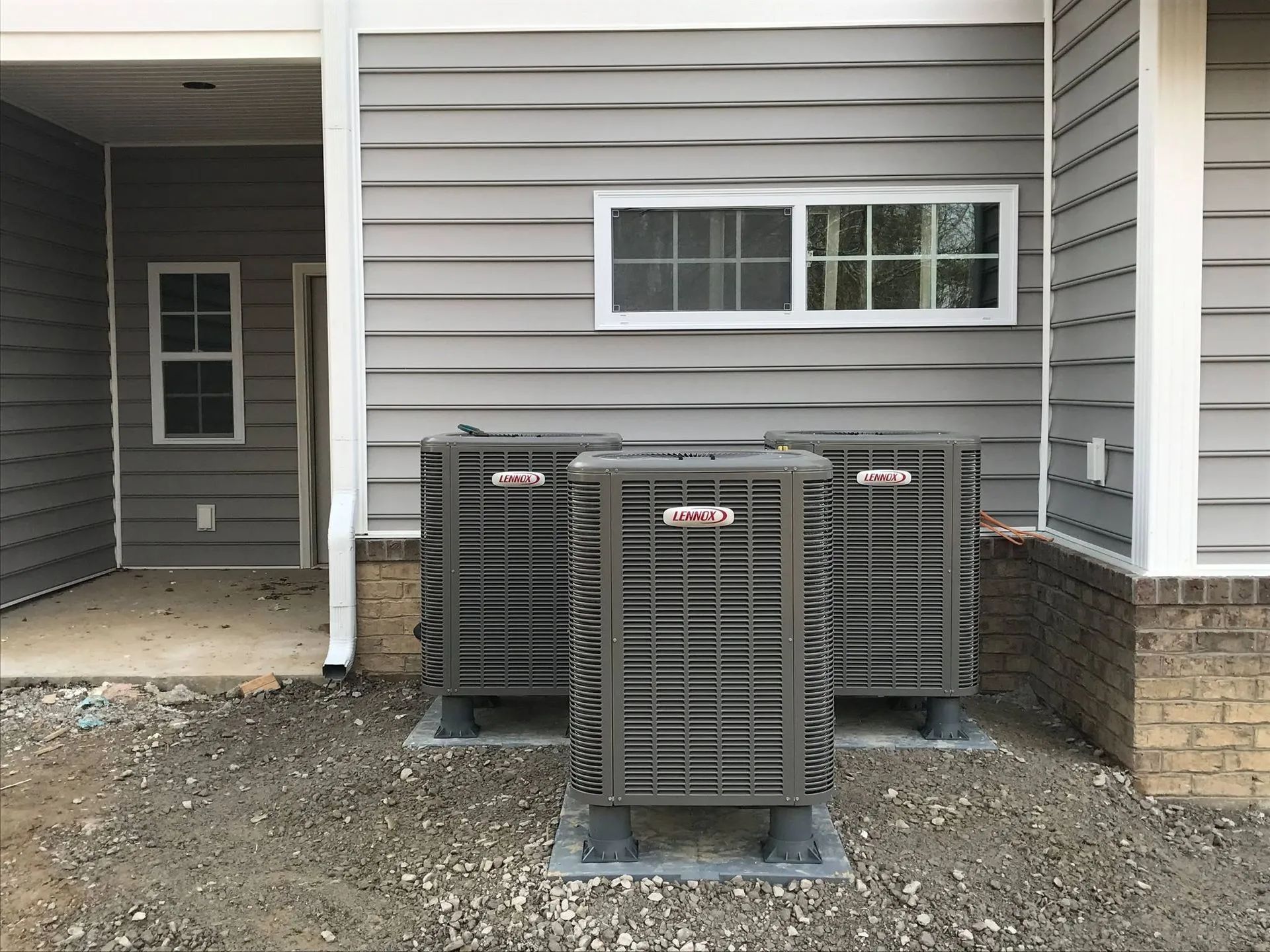
- Split Systems: Separate units for heating and cooling, typically with a furnace and air conditioner.
- Hybrid Systems: Combine gas and electric heating for improved energy efficiency.
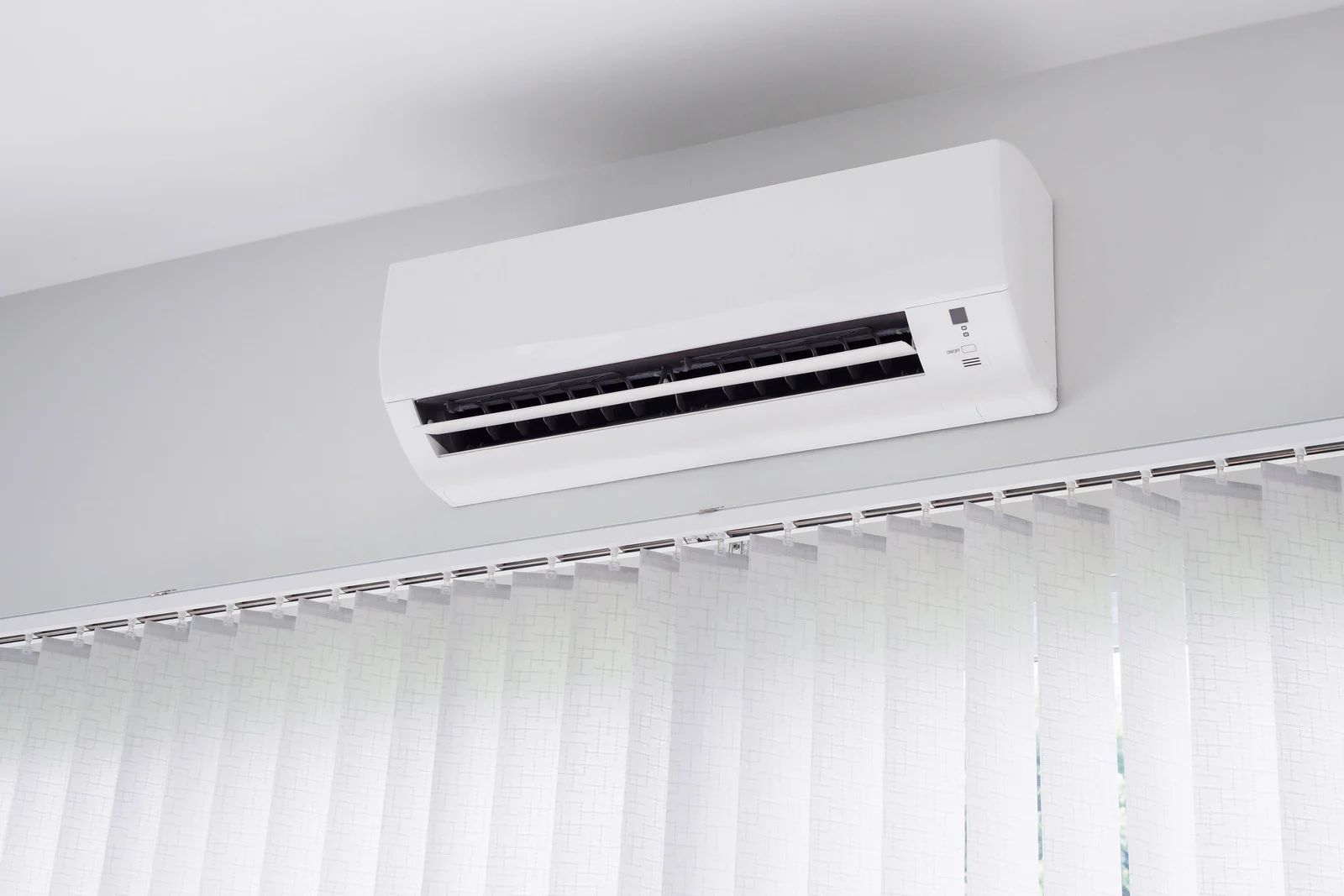
- Ductless Mini-Split Systems: Ideal for homes without ductwork, offering zoned comfort.
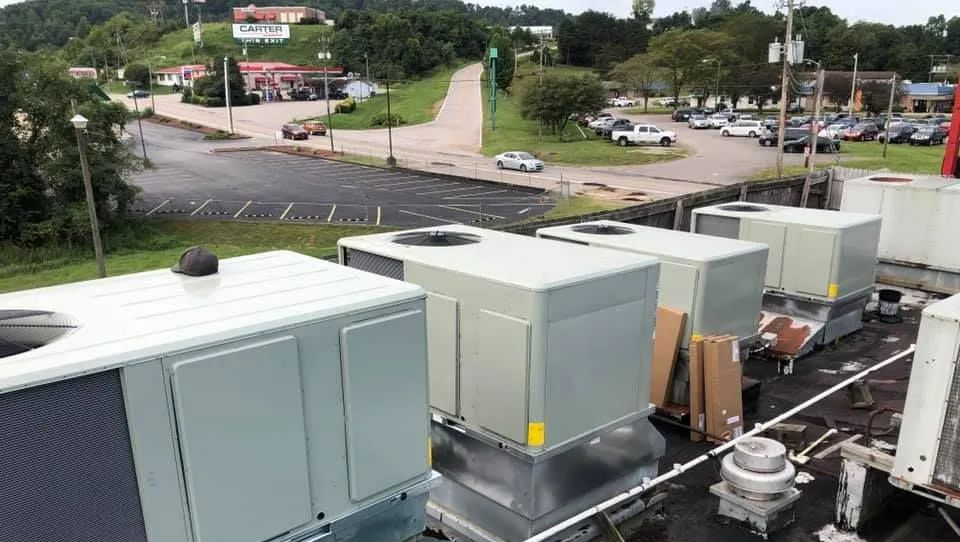
- Packaged Systems: All components housed in a single unit, often installed outdoors.
Each system type has its advantages depending on the home’s size, layout, and energy requirements.
2. Key Components of an HVAC System
Heating Unit
The heating component typically includes a furnace or heat pump for residential use. Furnaces generate heat by burning fuel or using electricity, while heat pumps transfer heat from outside air into the home efficiently. Heat pumps are particularly efficient in moderate climates and offer energy-saving benefits.
Cooling Unit
The cooling system, commonly an air conditioner, works by removing heat from indoor air and releasing it outside efficiently. This process involves refrigerant, which absorbs and releases heat as it circulates continuously through the system components.
Ventilation System
Ventilation ensures continuous airflow and helps remove stale indoor air while bringing in fresh air. This component includes ductwork, vents, and high-quality air filters. Proper ventilation prevents moisture buildup, reduces pollutants, and improves indoor air quality significantly.
Thermostat
The thermostat acts as the central control unit of the HVAC system. It allows homeowners to set desired temperatures and regulate system operation automatically. Modern thermostats offer programmable and smart features for better energy management and convenience.
Ductwork and Air Distribution
Ducts carry conditioned air efficiently throughout the entire home. Properly designed and maintained ductwork ensures even temperature distribution and optimal system performance. Leaks, gaps, or blockages in ducts can significantly reduce overall system efficiency.
3. How HVAC Systems Work: Step-by-Step Process
Heating Process Explained
When the thermostat detects a drop in temperature, it signals the heating system to activate. In a furnace, fuel combustion generates heat, which is then transferred to air. The blower fan pushes this warm air through the ductwork and into living spaces.
In a heat pump system, heat is extracted from outdoor air—even in cold conditions—and transferred indoors. This process is energy-efficient and reduces reliance on fossil fuels.
Cooling Process Explained
During warmer months, the air conditioning system removes heat from indoor air. Warm air is drawn into the system, where it passes over evaporator coils filled with refrigerant. The refrigerant absorbs heat and transforms into a gas.
This gas is then compressed and moved to the condenser unit outside, where the heat is released. The cooled air is circulated back into the home, creating a comfortable indoor environment.
Ventilation and Air Circulation
Ventilation systems continuously move air in and out of the home. Filters trap dust, pollen, and other particles, ensuring cleaner air. Balanced airflow prevents hotspots and maintains consistent comfort levels across rooms.
Role of Refrigerant in Cooling
Refrigerant is a critical component in the cooling process. It changes state from liquid to gas and back again, allowing it to absorb and release heat efficiently. Proper refrigerant levels are essential for optimal performance.
4. Energy Efficiency and Performance Optimization
Importance of Energy Efficiency
Energy-efficient HVAC systems reduce utility costs and environmental impact. Systems with higher efficiency ratings consume less energy while delivering the same level of comfort.
SEER and AFUE Ratings
Understanding efficiency ratings helps in selecting the right system:
- SEER (Seasonal Energy Efficiency Ratio): Measures cooling efficiency.
- AFUE (Annual Fuel Utilization Efficiency): Measures heating efficiency.
Higher ratings indicate better performance and lower energy consumption.
Smart Thermostats and Automation
Smart thermostats allow precise temperature control and scheduling. Features such as remote access and learning capabilities help optimize energy use based on daily routines.
Regular Maintenance Practices
Routine maintenance is essential for maintaining efficiency. This includes:
- Replacing air filters regularly
- Cleaning coils and ducts
- Checking refrigerant levels
- Inspecting system components
Neglecting maintenance can lead to reduced performance and higher energy bills.
Real-World Example
A homeowner who upgrades to a high-efficiency HVAC system and installs a programmable thermostat can reduce energy consumption by up to 20–30%. This not only lowers costs but also extends system lifespan.
5. Common HVAC Challenges and Solutions
Uneven Heating or Cooling
One common issue is uneven temperature distribution. This can result from poor duct design, blocked vents, or inadequate system capacity. Solutions include duct sealing, zoning systems, and proper system sizing.
Poor Indoor Air Quality
Dust, allergens, and pollutants can accumulate in HVAC systems. Upgrading filters and adding air purifiers can significantly improve air quality.
High Energy Bills
Rising energy costs often indicate inefficiency. Causes may include outdated equipment, lack of maintenance, or poor insulation. Addressing these issues can improve performance and reduce expenses.
System Noise and Wear
Unusual noises may signal mechanical problems such as loose components or worn-out parts. Prompt inspection and repair prevent further damage.
System Lifespan Concerns
Most HVAC systems last 10–20 years. Regular servicing and timely upgrades ensure reliable performance and avoid unexpected breakdowns.
6. Best Practices for Homeowners
Choosing the Right System
Selecting the appropriate HVAC system depends on factors such as home size, climate, and budget. Professional assessment ensures proper sizing and installation.
Importance of Professional Installation
Improper installation can compromise system efficiency and performance. Professional installation ensures correct setup, optimal airflow, and compliance with safety standards.
Seasonal Maintenance Checklist
Homeowners should follow a seasonal maintenance routine:
- Spring: Prepare cooling system
- Fall: Inspect heating system
- Year-round: Replace filters and monitor performance
Upgrading for Long-Term Value
Investing in modern HVAC technology provides long-term benefits. Energy-efficient systems, smart controls, and improved filtration enhance comfort and reduce operating costs.
Expert Insight
A well-maintained HVAC system not only improves comfort but also contributes to better health by maintaining clean and balanced indoor air. Proactive care and informed decisions ensure consistent performance and reliability.
Trusted HVAC Experts Delivering Reliable Comfort Solutions
HVAC systems are essential for maintaining a comfortable, healthy, and energy-efficient home environment. By understanding how heating, cooling, and ventilation components work together, homeowners can make informed decisions about system selection, operation, and maintenance. From improving indoor air quality to optimizing energy use, a well-functioning HVAC system delivers both immediate comfort and long-term value. It also enhances overall property value by ensuring consistent climate control and system reliability.
Proper maintenance, efficient system design, and smart technology integration are key to maximizing performance and minimizing costs. Addressing common challenges proactively ensures reliability and extends the lifespan of the system. As homes continue to evolve with modern technologies, HVAC systems remain a critical investment in overall living quality and sustainability. Investing in regular inspections and timely upgrades further strengthens long-term efficiency and performance.
AirTech Heating & Cooling
is a trusted authority in HVAC and commercial refrigeration solutions, proudly serving Dunbar and Apple Grove, West Virginia. With 25
years of industry experience, we bring unmatched expertise, precision, and reliability to every project. Our commitment to quality service, advanced technology, and customer-focused solutions ensures optimal comfort and efficiency for every home and business. We focus on delivering dependable results that align with modern performance standards and customer expectations.